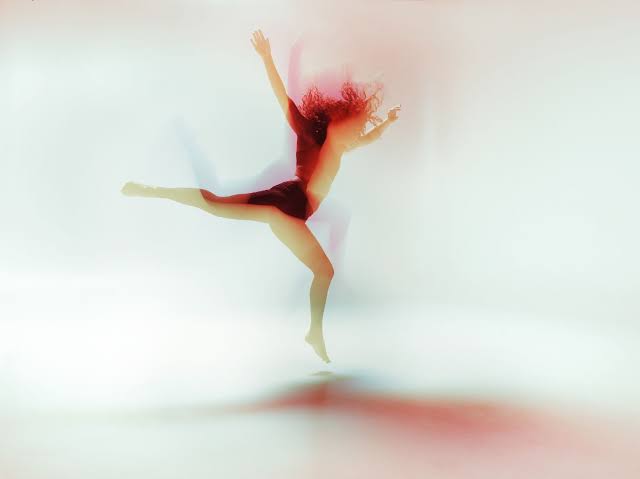
Dance has been a part of human culture since the very earliest communities and civilisations, with recorded evidence of dancing being found dating back to 30,000 years ago.
Since then, different dances have changed, merged and evolved into what we know today as the most well-known dance genres.
Here is a list of the most popular types of dance:
1. Ballet
2. Ballroom
3. Contemporary
4. Hip-Hop
5. Jazz
6. Tap Dance
7. Folk Dance
8. Classical dance
9. Modern Dance
10. Swing Dance
Popular dance genres
Ballet
Ballet dance developed during the Italian Renaissance, before evolving in France and Russia into a concert dance meant for public performance.Ballet is now a widespread, highly technical form of dance with many subgenres including classic, romantic, neoclassical and contemporary.
Ballroom
Ballroom dance is a type of partner dance originating at the end of the sixteenth century in France. Commonly used as shorthand for any partner dance, ballroom has today evolved into two main subgenres – standard/smooth and Latin/rhythm.
Dances within these categories include the waltz, tango and foxtrot, and pasodoble, bolero and samba
Contemporary
Developed during the mid-twentieth century, contemporary dance is now one of the most popular and technical forms of dance studied and performed professionally, especially in the US and Europe.
Drawing on classical, modern and jazz dance styles, contemporary dance has evolved to incorporate many characteristics of a broader range of dance forms.
Hip-Hop
Hip-hop dancing refers to a range of street dances that developed in relation to hip hop music and culture. Hip-hop dancing dates back to the early 1970s in New York and California, evolving out of Funk and the development of break beat.
Main styles of hip-hop dancing include Breaking, Locking and Popping, with derivative styles emerging out of these including Memphis Jookin’, Turfing, Jerkin’ and Krumping.
Jazz
Jazz dancing has its roots in seventeenth-century African traditions, brought to the Americas via the Atlantic slave trade as slaves continued dancing traditions in Brazil, the US and elsewhere on the continents.
Known for its improvisational and dramatic body movements, the jazz dancing grew in popularity in early twentieth-century jazz clubs.
Tap dancing
Tap dancing is a type of percussive dance characterised by the “tap” of shoes hitting the floor as the person dances. Tap dancers often wear metal “taps” on the heel and toe of a shoe to accentuate the sound.
Often performed as part of musical theatre, tap dancing often focuses on choreography and formations, with more than one tap dancer performing at once.
Tap dancing characterises a range of dances including flamenco, rhythm, classical, broadway and postmodern tap.
Folk dance
Folk dancing is celebrated worldwide with people of different cultures and religions using various forms of folk dance to portray emotions, stories, historical events or even aspects of daily life.
Some well known types of folk dance include: Bharatanatyam (India), Samba (Brazil) and Hula (Hawaii). Some cultures may even perform multiple variations of folk dances, with countries like South Korea performing individual dances for key events such as victories in war, farming, music and religion.
Classical dance
Indian classical dance or ‘Shastriya Devesh’ is an umbrella term for various performance arts rooted in religious hindumusical theater styles, whose theory and practice can be traced to the Sanskrit text Natya shashtra. The number of classical dances range from eight to more, depending on the source and scholar. The Sangeet Natak Academy recognizes eight – Bharatanatyam , Kathak , Kuchipudi , Odissi , Kathakali , Sattriya, Manipuri and Mohiniyattam .
Modern Dance
Considered as being a broad genre of dance, modern dance primarily arose from western countries such as the USA and Germany during the late 1900s. While most forms of dance are structured and feature set steps, the purpose of modern dance is to rely on the dancer’s interpretation of the music and feeling to guide movements.
Modern dance was initially born out of dislike for the limitations of traditional dances such as ballet, which often oppressed dancers with rigid rules and techniques.
Swing dance
Swing is a variation of jazz dance which developed between the 1920s to the 1940s as a response to the growing popularity of swing jazz in America. With the evolution of music that occurred during the Jazz era, dance also began to change with the likes of swing music encouraging faster, more rigorous movements.
Popular forms of swing dance include the Lindy Charleston, the Jitterbug, Lindy Hop and the Balboa, many of which are still performed today.
 SWAYLORE
Nice one
LikeLiked by 2 people
Thank you
LikeLike
Just wrote a little piece about swing dance! Perfect timing. ❤
Dance is one beautiful way people are poets in more than words.
LikeLiked by 1 person
Thank you jaya, really loved your thought about dancing 😍 . Stay safe eat healthy and keep dancing ❤
LikeLiked by 1 person
Kuchipudi dance, originally called Kuchelapuri or Kuchelapuram, is a classical dance form. From South Indian state of Andhra Pradesh it grew largely as a product of Bhakti (devotion) movement beginning in the seventh century A.D. It derives its name from the village of Kuchelapuram in Krishna district.https://www.indianetzone.com/1/kuchipudi.htm
LikeLike